Stem cell–based therapies are now actively explored for a wide range of chronic and degenerative conditions, attracting growing interest from patients seeking alternatives to conventional treatment pathways.
As the field expands globally, outcomes remain inconsistent. The underlying biology of regenerative therapies may be shared, but variations in laboratory standards, diagnostic depth, regulatory oversight, and clinical follow-up have created a landscape where results differ significantly from one center to another.
Regenerative Medicine Is at a Turning Point
The focus is shifting away from theoretical promise toward measurable quality, reproducibility, and patient safety. Increasingly, the question for both clinicians and patients is not whether stem cell therapies can work, but under which clinical conditions they deliver reliable, long-term results.
From Experimental Therapies to Structured Clinical Practice
In the early 2010s, many biological treatments were provided in small, loosely structured settings. Today, the industry is focusing on specialized regenerative medicine clinics, such as Swiss Medica, that combine research, diagnostics, therapy, and a multidisciplinary approach. This maturation is critical for integrating advanced therapies into the mainstream of chronic disease management.
Why Variability in Stem Cell Therapy Outcomes Remains a Global Issue
One of the most persistent challenges in regenerative medicine is the variability of patient response. Inconsistent outcomes often stem not from the science itself, but from differences in how biological products are prepared and applied in clinical settings.
When protocols for key factors such as cell age, viability, and dosage are not clearly defined or consistently applied, therapeutic results become difficult to predict. Achieving greater clinical consistency requires moving beyond one-size-fits-all approaches toward treatment models where every biological variable is measured and controlled.
Mesenchymal Stem Cells in Clinical Practice: Mechanisms Over Marketing
Mesenchymal stem cells (MSCs) are often discussed as if their primary role were direct tissue replacement. In clinical practice, however, their therapeutic effects are driven less by differentiation and more by biological signaling.
Immunomodulation
MSCs are known for their immunomodulatory capacity, influencing inflammatory responses and interacting with immune cells in ways that help rebalance dysregulated systems rather than suppress them, addressing chronic inflammation—a key driver of many systemic conditions.
Paracrine Signaling
A key mechanism behind this effect is paracrine signaling. MSCs release a broad range of bioactive molecules—including cytokines, growth factors, and extracellular vesicles—that support tissue repair, promote angiogenesis, and modulate local cellular environments.
Importantly, these biological properties are highly sensitive to how cells are sourced, processed, stored, and administered. Even subtle variations in handling can influence cellular viability and signaling potential—directly affecting therapeutic consistency.
Regulatory Environments and Patient Safety in Regenerative Medicine
As the biological complexity of stem cell therapies has become better understood, regulatory oversight has intensified globally. Rising patient demand across the United States, Europe, Australia, and Asia has been accompanied by closer scrutiny of regenerative medicine clinics from health authorities.
While regulatory frameworks vary across regions, common principles have emerged: controlled processing environments, traceable workflows, clearly defined quality standards, and laboratory compliance with Good Manufacturing Practice (GMP) or equivalent European medical standards.
Beyond technical requirements, ethical sourcing and documentation are now widely recognized as essential components of patient safety. Transparent consent procedures and verifiable chain-of-custody processes help ensure that regenerative therapies are delivered responsibly.
How Infrastructure Determines Clinical Consistency
In advanced biologics, infrastructure acts as the silent determinant of therapeutic reliability. The quality of the clinical and in-house laboratory environment is often as important as the cells themselves.
Within this context, the stem cell therapy clinic Swiss Medica serves as a useful European case study.
Founded in St. Gallen, Switzerland, in 2011 and later expanding its clinical operations to Slovenia and Serbia, the organization has built an integrated medical system designed to manage both the biological and clinical dimensions of regenerative care. By maintaining direct oversight of cell processing, diagnostics, and patient management, this hospital-based model demonstrates how structured infrastructure supports more consistent clinical practice, in line with European medical standards.
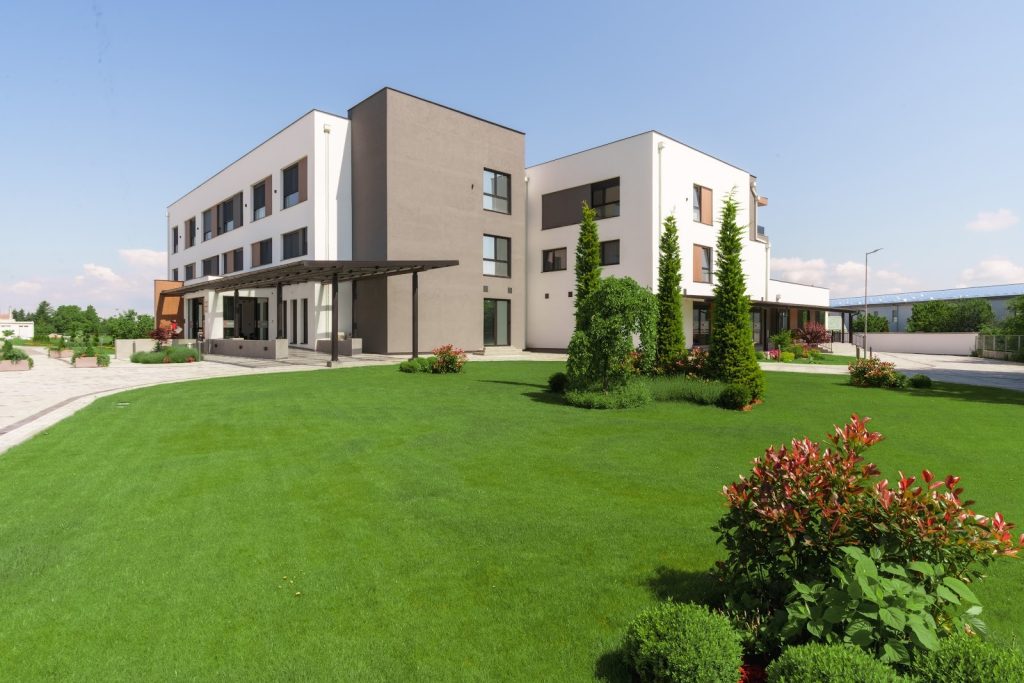
alt: Swiss Medica hospital
Description: Opened in 2024, the new Swiss Medica Hospital in Belgrade expands on the group’s earlier clinic, operating from a purpose-built medical campus of 10,000 square meters across five buildings.
DWW00491.jpg
In-House Cell Processing vs. Outsourced Manufacturing
The majority of clinics globally function as intermediaries; they purchase cryopreserved cells from external vendors and thaw them shortly before administration. This outsourced model may introduce variability in several areas:
- Traceability: Outsourcing often obscures the lineage and handling history of the biological material.
- Batch variability: Third-party labs may produce batches with varying potencies, leading to inconsistent patient experiences.
- Regulatory oversight: Maintaining an in-house laboratory allows for a “closed-loop” system meeting EU GMP Grade A cleanliness standards.
- Time from extraction to application: On-site processing reduces handling and transportation time, helping preserve cellular metabolic activity and paracrine function that may diminish during prolonged storage or shipping.
At Swiss Medica, the full lifecycle of therapeutic cells—from preparation to administration—is managed internally. According to in-house laboratory data, reported cell viability levels reach approximately 90%, a metric often associated with maintaining functional biological potential.
alt: Swiss Medica laboratory
Description: Swiss Medica manages the entire lifecycle of therapeutic cells.
From Protocol to Practice: How Personalized Regenerative Care Is Delivered
Translating biological theory into clinical practice requires structured, standardized protocols.
Evidence-Based Protocols: The Swiss Medica Example
- Pre-admission review
A multidisciplinary medical board conducts a remote evaluation of medical records and imaging to confirm diagnosis, assess comorbidities, and define baseline status. This step ensures eligibility and identifies any safety limitations early. - On-site assessment
Upon arrival, patients undergo physician evaluation and necessary laboratory or imaging checks. The team finalizes an individualized plan and monitoring strategy. - Personalized regenerative program design
The protocol combines regenerative components with supportive measures, such as rehabilitation, nutrition, and symptom control tailored to the patient’s condition. - Product handling and quality controls within a stem cell laboratory in Europe
Before administration, biological products undergo quality control within the integrated stem cell laboratory. - Administration and monitoring
Stem cell therapies are delivered under medical supervision with monitoring for tolerance and early side effects. - Discharge plan and follow-up
Patients receive structured post-program guidance focused on safety, functional progress, and continuity of conventional care.
Real-World Observations and Patient-Reported Outcomes After Stem Cell Therapy
In regenerative medicine, randomized clinical trials remain limited for many indications, making observed real-life stem cell therapy outcomes an important source of insight into how therapies perform in clinical practice.
At Swiss Medica, a growing body of observational material—including documented patient testimonials—describe patterns of functional change across neurological and systemic conditions.
In pediatric autism cases, families have described gradual improvements in communication, attention, and daily living skills following therapy.
Patients with long-standing multiple sclerosis often report stabilization of symptoms and improved quality of life, particularly in areas related to fatigue and motor control.
In Parkinson’s disease, some individuals have described gains in fine motor function and concentration that supported greater independence in daily activities.
These observations reflect reported experiences rather than definitive clinical conclusions, but they contribute to understanding how structured regenerative care may influence complex chronic conditions.
Choosing a Regenerative Medicine Clinic: What Patients Should Evaluate
As stem cell therapies become more accessible globally, patients face the challenge of distinguishing between clinics that appear similar but differ substantially in infrastructure and oversight.
Beyond treatment claims, several structural factors warrant attention:
- Regulatory environment and laboratory standards
- Presence of in-house processing facilities
- Depth of diagnostic evaluation
- Transparency in cell handling protocols
- Structured follow-up and multidisciplinary support
Within this framework, Swiss Medica’s hospital-based model and integrated laboratories represent an infrastructure-driven approach designed to reduce variability and enhance predictability.
More broadly, the emphasis on quality systems signals a maturation of the field itself. As regenerative medicine evolves, informed patients are increasingly able to evaluate not just promises, but processes—and to choose care grounded in measurable standards rather than theoretical claims.
For individuals seeking further information about regenerative treatment options or clinical eligibility, the medical team at Swiss Medica provides individualized case reviews based on medical history and diagnostic data.
Keywords
| Swiss Medica | 4-5 |
| Stem cell therapy | 6-8 5 |
| Regenerative medicine clinic | 3 3 |
| In-house laboratory | 2 2 |
| European medical standards | 2 |
Internal Links
Stem Cells Therapy Clinic – Swiss Medica – 1
stem cell laboratory in Europe – 1
real-life stem cell therapy outcomes – 1