Have you ever paused to ponder the journeys your beloved online purchases embark on before landing gracefully at your doorstep? Or how stacks of inventory at your local grocery store are replenished with seamless efficiency day in and day out? At the heart of these operations is an intricate puzzle of processes that rely heavily on equipment like gravity rollers. These simple yet effective tools are indispensable to various industries, offering equal parts practicality and cost-effectiveness in their utility. Today, we’ll delve into the world of gravity rollers, exploring their myriad applications across numerous sectors.
Where it all Rolls Out – Unraveling the Functionality
Diving straight into the thick of what gravity rollers embody, they are – at their core – non-motorized conveyor devices. Unanimous in design and function, they consist of a series of circular ‘rollers’ affixed to a metal or plastic frame. Self-explanatory in name, they utilize the power of gravity to move goods, providing an energy-efficient way for objects to traverse across a conveyor system.
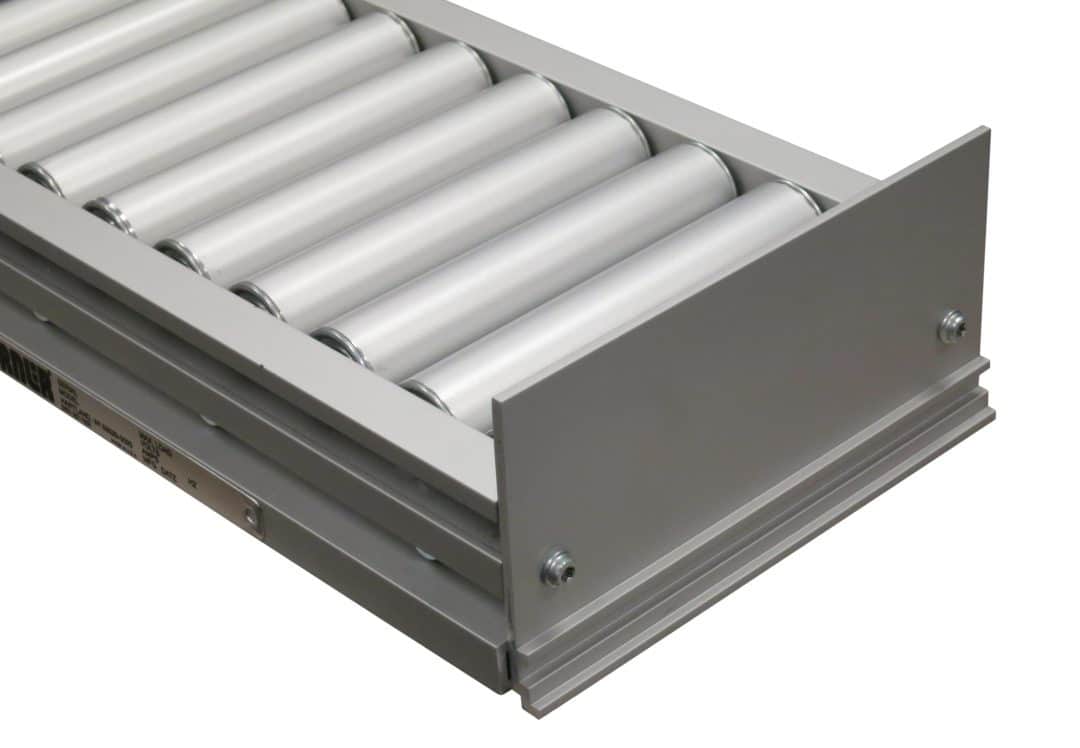
The Industrious Entwining – Roles Across Industries
Varied as industries may be in their nature and function, a surprising number of them find a common denominator in their reliance on gravity rollers. Warehousing and distribution, manufacturing, food and beverage production, parcel services – you name it – gravity rollers form an integral part of operations across the board. So how exactly do gravity rollers weave their magic?
The Roll Call – Different Shades of the Same Roller
Although uniform in function, gravity rollers exhibit variation in size, materials used, and weight-bearing capacity, catering to diverse needs across different industries. Light-duty rollers for delicate products, heavy-duty alternatives for bulky goods, and stainless-steel variants for food and beverage applications, all combine to form the eclectic roller family.
Pros and Cons – The Balancing Act
Like any industrial apparatus, gravity rollers have their strengths and challenges. On one hand, they offer energy efficiency, affordability, low maintenance, and simplicity of use. However, they also come with limitations, such as a reliance on inclined or sloped surfaces, potential for product damage due to increased speed, and a lack of control over precise product placement.
Safety First – Precautions and Safeguards
While gravity rollers effortlessly facilitate the movement of goods, safety remains paramount in this industrial ballet. Operators must stay alert to potential hazards such as loose clothing or hair getting caught, heavy objects causing injuries when improperly loaded, as well as safety issues that could arise with incorrect use.
The Future Prospects – Sustainability and Innovation
In times where sustainability takes center stage, gravity rollers offer a ray of hope with their low energy requirements and potential for reuse. Furthermore, recent strides in the industry point towards innovations such as smart gravity rollers that offer enhanced control and versatility of use.
Conclusion – The Rolling Continues
In sum, as we navigate the vast industrial landscape, the role of gravity rollers looms large. They truly are the unsung heroes in an orchestra of industrial processes, ensuring the seamless transition of goods from point A to point B. While not without challenges, the significant benefits these rollers offer and the innovations on the horizon, indicate a promising and sustained future for these humble handlers of material goods. In many ways these gravity rollers are disrupting the industrial orchestration and the way we understand conveyance systems. As we move forward, gravity rollers will continue to roll, carrying the weight of industrial progression effortlessly and elegantly on their robust shoulders.