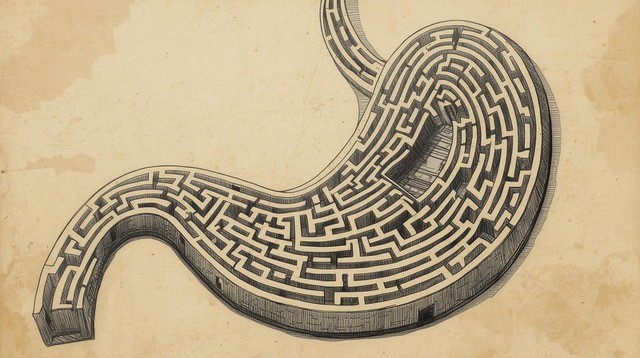
Why metabolic shortcuts create long-term imbalance
The modern world is built on convenience. We want faster Wi-Fi, quicker commutes, instant payments, and now, instant weight loss. In this race for efficiency, even our approach to health has become transactional. If a pill or an injection can offer a slimmer waistline without struggle, it feels like progress. GLP-1 agonists like Ozempic and Wegovy have become symbols of that promise, a medical miracle that quiets hunger and melts fat. But as Dr. Bomi Joseph explains, there is no such thing as a free physiological upgrade. The human body operates on an intricate network of feedback systems that resist manipulation. When you push one lever too far, others push back.
The Allure of the Shortcut
Modern culture rewards speed over depth. Diet plans, fitness trends, and pharmaceuticals now cater to an audience trained to expect visible results by next week. GLP-1 drugs fit perfectly into that mindset. They suppress appetite, slow digestion, and improve blood sugar regulation, giving the illusion of balance. Yet what seems like biological precision is really a narrow intervention in a much larger web of metabolic communication.
Dr. Joseph often compares the body to a symphony. Every hormone, enzyme, and neurotransmitter plays its part in harmony. When one instrument is forced to dominate, the music changes. GLP-1 agonists focus on a single pathway that tells the brain, “You’re full.” This message seems harmless, even helpful, but it overrides natural cues that evolved to maintain stability.
How GLP-1 Works
The GLP-1 hormone, or glucagon-like peptide-1, is naturally produced in the gut. Its role is to manage blood sugar by enhancing insulin secretion and slowing the rate at which food leaves the stomach. It also tells the brain to reduce appetite after eating. Pharmaceutical GLP-1 agonists mimic this signal to create prolonged fullness. In theory, it sounds like an elegant solution to overeating and obesity.
But this hormone is not meant to dominate metabolism. It interacts with countless other signals, insulin, leptin, ghrelin, cortisol that regulate energy, stress, and hunger. By artificially amplifying one message, the body’s broader network of communication becomes distorted. The system adapts by recalibrating other hormones, often in unpredictable ways.
The Body’s Compensation
When appetite and insulin are suppressed for too long, the body does not simply accept the new normal. It begins to counteract the change. Ghrelin, the hunger hormone, rises. Leptin, which signals fullness, becomes less sensitive. Cortisol, the stress hormone, may increase as the body interprets calorie restriction as a form of threat. The result is a rebound effect. Once the drug is discontinued, hunger returns more aggressively, and the body defends its stored fat with greater resistance.
Many users describe intense cravings and fatigue after stopping GLP-1 therapy. This is not a lack of willpower. It is the body’s attempt to restore equilibrium. Metabolic adaptation ensures survival, even when the intervention is well-intended. What was meant to be a shortcut becomes a cycle of dependence and withdrawal.
The Hidden Damage
The visible side effects of GLP-1 agonists, nausea, vomiting, constipation, are only part of the story. Dr. Joseph warns that deeper issues may develop over time. The slowed digestion that aids in appetite suppression can eventually impair gut motility, leading to discomfort and malabsorption. The pancreas, which works harder under the influence of GLP-1 stimulation, can experience stress that may contribute to long-term dysfunction.
Perhaps more concerning is the loss of muscle mass that often accompanies rapid weight loss. When the body is not properly nourished or trained, it burns both fat and muscle for energy. Over time, this reduces metabolic rate, making it harder to maintain results. Add to this the psychological attachment that forms when a drug appears to “solve” a problem that years of effort could not, and you have a recipe for dependency that runs deeper than biology.
The Deep Health Perspective
Dr. Bomi Joseph’s Deep Health® philosophy takes a very different view of metabolism. He argues that real health cannot be achieved by overriding biological systems but by reawakening them. The goal is to restore natural communication within the body rather than replacing it with artificial messages.
Through his research, Dr. Joseph emphasizes the use of biological feedback, monitoring hormones, inflammation markers, and metabolic trends, to understand when interventions help or harm. His approach combines modern diagnostics with ancient principles of self-regulation. The body is seen as intelligent, not defective. The role of medicine, then, is not to dominate but to cooperate with that intelligence.
In the context of GLP-1 drugs, this means viewing them as tools, not crutches. A temporary intervention can offer relief or correction, but lasting health comes only when the underlying system learns to function independently again. Just as strength training rebuilds muscle through gradual stress, metabolic resilience comes from small, consistent improvements in nutrition, movement, and rest.
Weight Loss Is a Byproduct of Health
The obsession with weight often distracts from the real goal: vitality. A lean body is not necessarily a healthy one if it comes at the cost of hormonal chaos or emotional instability. Dr. Joseph reminds his patients that weight loss is a symptom of healing, not the objective. When the body is balanced, fat loss happens naturally. When the body is forced into imbalance, even the most dramatic results are temporary.
The shortcut mentality is easy to understand. Modern life conditions us to expect control over every variable. Yet biology is not an algorithm that can be rewritten at will. It is a dialogue between millions of cells, constantly adjusting to preserve life. Each time we attempt to silence or shortcut that dialogue, we risk long-term harm. True health is earned through awareness, patience, and respect for the body’s design. Drugs like GLP-1 may have their place, but only when used with humility and understanding. The ultimate cure is not found in manipulation, but in restoration.