Medical waste is usually defined as any substance that is infectious created in a hospital or healthcare facility. It can be found in a variety of forms.
For example, routine checks may result in the dumping of needles (like needles) or “red bags” debris, including surgical gloves and bandages.
Proper disposal and handling of all types of medical wastes are vital, not only for the security of employees but also in compliance to the tiger stripe bag rules. If you’re trying to decide what to do with hospital waste management, you should not throw it away.
Due to the possible health hazards posed by health hazards there are specific methods to follow. There are specific disposal methods for each type of medical waste, and each type must be taken care of in its own way.
There Are A Variety Of Medical Waste
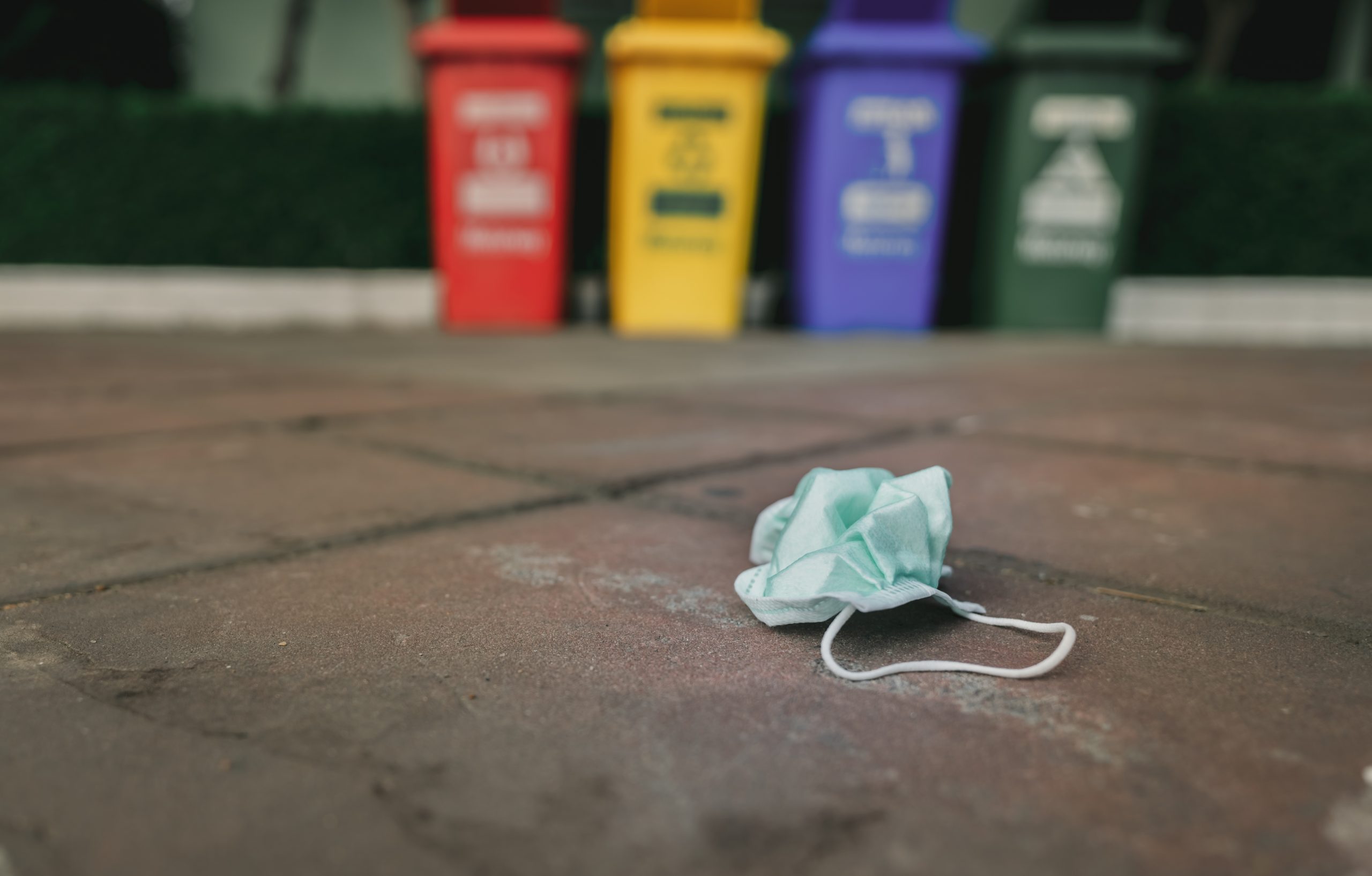
Bags are used for medical garbage disposal Containers and bags are colour-coded so that it is easier to follow the procedure. Syringes and needles come in their separate containers.
It is essential to understand what type of waste is in the container so that you can prevent injury or contamination. This is a list of different kinds of medical waste, as well as the container utilised for it.
Biohazards Or Infectious Waste
Medical waste in the red bag is all the hazardous waste (also known as potentially infectious). It includes vaccinations which are removed from the market, as well as items that have liquids that have dried up including blood as well as other compounds.
Sharps
Shred Nations
It’s evident from the name: sharps consist of used needles and Syringes. They are commonly located in hospitals as well in other places where blood is taken or medications are administered.
The management of clinical waste sharps can pose a danger to health since they have the ability to be able to cut the skin or gloves. That’s why they should be cleaned with care in locations like medical centres as well as urgent care centres and other places that provide health services.
Chemotherapy The Waste
Yellow and black medical waste bins are used to dispose of chemotherapy wastes of all kinds. The kind of bin you utilise will be determine by the type of waste which is consider empty, in accordance with Resource Conservation and Recovery Act (RCRA) standards.
The waste products from chemotherapy with less than 3 percent of the volume they were originally is deem “RCRA empty.” Items like empty vials, empty syringes or IV bags, be place in containers for waste from medical facilities in blue.
Black bins, on the other side, are utilize to dispose of chemotherapy medical waste that isn’t “RCRA empty.” This includes half-use IV tubing, vials, bags and bags and the discard the PPE (PPE) and cleaning equipment.
Pharmaceutical Use
Blue bins can be use for collecting hazardous pharmaceuticals. Certain prescription drugs consider to be dangerous in the RCRA include nicotine and bulk powders as well as old and unuse pills.
Other drugs like Warfarin and other compounds like the cyclophosphamide compound, or lindane fall into the Blue Bin garbage.
Methods for Disposal
Separation from hospital waste disposal and the disposal of it in the correct container is only the first stage. After the bin has be fill, it must be remove or clean.
The disposal method employed depends on the kind that the medical debris is. The most commonly used methods of treatment include autoclaving, incineration and irradiation or chemical disinfection.
Everything You Need To Be Aware Of About Waste Disposal
For business owners, managing waste can create a lot of problems to you, regardless of the kind of waste you’re dealing with. What you consider to be an easy and quick procedure could quickly turn into an endless number of regulations and symbols that don’t appear to be logical.
Businesses that rely on needles or other sharp objects (such as those employed in the medical industry and tattoo salons) are well-aware of the proper disposal for sharps, figuring out the particulars may be difficult for business owners.
Despite the multitude of regulations that are a part of every type of disposal process it is vital to be aware of the particulars and safety guidelines for disposal of sharps.
If you are prepare, you can be sure that the risk of injury or spill is greatly diminish. Also, you can concentrate on the day-to-today operations of your business.
Which Bin For Disposal Of Sharps Is The Most Effective For My Business?
In order to ensure that the disposal of sharps is do correctly, sharps bins come with three lids, each color coded to identify the various types of healthcare waste management.
It is essential to ensure that Sharps debris is correctly take care of in the correct container to avoid the spread of hazardous substances:
The bins with lids of orange are specifically design to handle sharp objects and do not contain any contamination from the pharmaceutical industry.
This includes sharps such as knives, stationary equipment but there are also objects that could cause skin piercing or puncture (syringes for collecting blood samples or tattoo needles, acupuncture needles instruments for piercing, needles, etc. ).
The lids of these bins are blue and made to contain sharps that are containing drugs cytostatic and cytotoxic. They are generally located in areas that offer hormone therapy or chemotherapy with chemotherapy.
Blue lid containers are design to store sharps with outdate drugs, and other items that throw away during the administration of pharmaceuticals such as gloves, masks, bottles, etc.
What Is The Most Secure Method To Dispose Of Garbage?
Services for clinical waste are extremely hazardous and could result in injuries if properly handle. They must be remove in the correct disposal container for sharps right away and carefully following the use.
Sharps waste bins need to be empty within three quarters of full. It is the least risk when dealing with sharps waste. If bins must be handle after they have be full fill, needles and syringes may cause injuries to those who is in charge of getting rid of the healthcare waste
Recycling Bins Can Help Save The Environment
In order to be a hit to wide range users, the idea could bring significant benefits to the people who use it. Recycling bins have become an everyday sight across America and lots of people are fascinate by recycling. There is couple of benefits that recycling bins can provide.
Regarding the environment there are plenty of ways that recycling bins can help. Below, we’ll discuss some ways to recycle. Let’s start.
1. Conservation Of Resources
Recycling is a way to reduce the use of resources. Recycling bins can also offer the opportunity to dispose of the things they consider to be trash inside it. They are the ones which are recycle to make new materials.
It’s the same for recycling irons or tins; you’re lessening the burden of mining. No matter if we agree or not mining could have negative effects on the earth. In order to preserve the resources of our environment it is essential to recycle more metals.
2. Energy Savings
It is true that a large amount of energy goes in the making of a new product. It is a crucial element of the production process. For example, if you make paper, you’ll need energy required to cut down trees.
The machines that cut trees would work by consuming energy. They require energy it to transport the timber and then to treat it. Then, it consumes ever more energy until you are able to wrap it up, and then take it to the store where it will be offer for sale.
3. Protection Of The Environment
If you consider the two choices we mentioned in the previous paragraph, you will likely reach this conclusion quickly. Recycling can protect our environment in a variety of ways.
For instance, if you do not dispose of your safe management of healthcare waste into the recycle bin you are causing pollution to the environment. The chemical waste solution can assist in the disposal of marine debris, but it can be harmful to marine animals.