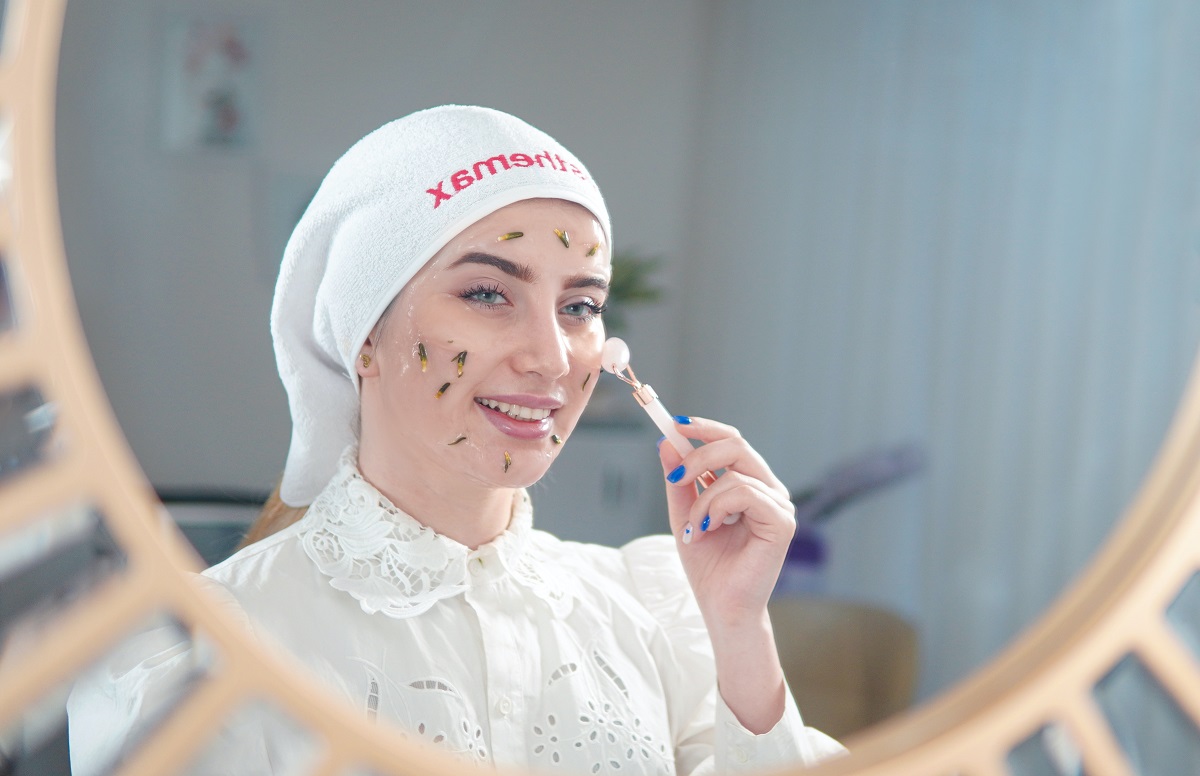
 1. Acne Pimple Popping Blackheads: How to Safely Remove Them
Acne is one of the most common skin conditions, affecting millions of people around the world. Though it is most commonly associated with adolescence, it can affect people of all ages. Acne pimple popping blackheads causes and treatments . In severe cases, it can lead to scarring.
There are many different factors that can contribute to the development of acne. Hormonal changes, genetic factors, and diet all play a role. Acne can be triggered by certain medications, cosmetics, and skincare products.
There are a variety of treatments available for acne. Over-the-counter medications, prescription medications, and home remedies can all be effective. The best treatment for acne is one that is tailored to the individual.
Acne pimples are one of the most common skin problems that people of all ages suffer from. Though it is most commonly seen during adolescence, acne can occur at any age. Acne is characterized by the presence of pimples, blackheads, and whiteheads. In severe cases, it can lead to scarring.
There are many different factors that can contribute to the development of acne. Hormonal changes, genetic factors, and diet all play a role. Acne can be triggered by certain medications, cosmetics, and skincare products.
There are a variety of treatments available for acne. Over-the-counter medications, prescription medications, and home remedies can all be effective. The best treatment for acne is one that is tailored to the individual.
Acne pimples are one of the most common skin problems that people of all ages suffer from. Though it is most commonly seen during adolescence, acne can occur at any age. Acne is characterized by the presence of pimples, blackheads, and whiteheads. In severe cases, it can lead to scarring.
There are many different factors that can contribute to the development of acne. Hormonal changes, genetic factors, and diet all play a role. Acne can be triggered by certain medications, cosmetics, and skincare products.
There are a variety of treatments available for acne. Over-the-counter medications, prescription medications
2. What Causes Blackheads?
There are several things that can cause blackheads, but the most common cause is excess oil production. When your skin produces too much oil, it can clog your pores and cause blackheads to form. Other things that can cause blackheads include:
– Hormonal changes
– Stress
– Certain medications
– Poor diet
If you are prone to blackheads, there are a few things you can do to help prevent them from forming. First, make sure you clean your face twice a day with a gentle cleanser. Be sure to remove all makeup before you go to bed. You should also exfoliate your skin regularly to help keep your pores clear. Finally, try to reduce the amount of stress in your life and eat a healthy diet.
3. How to Prevent Blackheads From Forming
Acne is a common skin condition that can affect people of all ages. It is characterized by the appearance of pimples, blackheads, whiteheads, and other blemishes. Acne is most commonly seen in teenagers, but it can also affect adults.
There are many factors that can contribute to the formation of acne, including genetics, hormonal changes, diet, and certain medications. Acne can be a frustrating and embarrassing condition, but there are several things you can do to prevent it from forming.
- Keep your skin clean.
Wash your face twice a day with a gentle cleanser. Be sure to remove all makeup before going to bed. In addition, wash your hair regularly and keep it away from your face.
- Avoid touching your face.
Your hands come into contact with all sorts of bacteria and dirt throughout the day. If you touch your face, you can transfer that bacteria to your skin, which can clog your pores and lead to breakouts.
- Eat a healthy diet.
Eating a healthy diet is important for overall health, but it can also help to prevent acne. Avoid foods that are high in sugar and processed carbohydrates, as well as dairy products. Eating plenty of fruits, vegetables, and whole grains is a good way to get the nutrients your skin needs.
- Avoid using harsh products on your skin.
Many over-the-counter acne products contain harsh chemicals that can irritate your skin. If you are using these products and your skin is not improving, talk to your doctor or a dermatologist about alternative treatments.
- Get regular exercise.
Exercise can help to improve your skin by increasing blood flow and reducing stress. However, be sure to shower after your workout to remove sweat and bacteria from your skin.
- Reduce stress.
Stress can trigger the release of hormones that can lead to breakouts. Try to reduce stress in your life by getting enough sleep, exercising regularly, and practicing relaxation techniques.
Acne is a common skin condition, but there are several things you can do to prevent it from forming. Keep your
4. How to Safely Remove Blackheads
Acne is the most common skin condition in the United States, affecting up to 50 million Americans annually. Though it most often occurs during adolescence, acne can develop at any age and can persist into adulthood. Acne occurs when hair follicles become plugged with sebum, an oily substance produced by the body, and dead skin cells. The resulting build-up can trap bacteria and cause inflammation, leading to the formation of pimples, blackheads, and whiteheads.
There are a number of treatments available for acne, but one of the most effective and least invasive is safe blackhead removal. Though it can be tempting to pick at or pop pimples, this can actually make acne worse and lead to scarring. The best way to remove blackheads is to use a gentle exfoliating cleanser followed by a blackhead removal tool.
When using a cleanser, it’s important to choose one that is designed for acne-prone skin. Look for a cleanser with salicylic acid or benzoyl peroxide, as these ingredients can help to break down the build-up of sebum and dead skin cells. Apply the cleanser to wet skin and massage in circular motions for 60 seconds before rinsing thoroughly.
Once the skin is clean, use a blackhead removal tool to gently press down on the blackhead and release the build-up. Start with clean skin and a clean tool, and be sure to press down only on the blackhead, not the surrounding skin. After removing the blackhead, apply a light moisturizer to soothe the skin.
With regular care, blackheads can be safely and effectively removed at home. However, if you find that your blackheads are resistant to treatment, or if you experience any pain or irritation during the removal process, it’s important to see a board-certified dermatologist for further evaluation.
5. What to Do If You Have an Active Acne breakout
Acne breakouts can be frustrating, especially when they seem to pop up out of nowhere. If you’re dealing with an active acne breakout, there are a few things you can do to help clear your skin.
First, it’s important to resist the urge to pop your pimples. Although it may be tempting, popping pimples can actually make your acne worse by causing inflammation and spreading bacteria.
Instead of popping your pimples, try using a spot treatment to target individual blemishes. Spot treatments containing benzoyl peroxide or salicylic acid can help to dry out pimples and promote healing.
You should also make sure to cleanse your face twice daily with a gentle cleanser. Avoid using harsh scrubbing motions, as this can irritate your skin and make your acne worse.
In addition to using a daily cleanser and spot treatment, you may also want to try using an acne mask once or twice a week. Acne masks can help to draw out impurities and reduce inflammation.
If you’re struggling with an active acne breakout, these simple tips can help to clear your skin.