Steam systems are integral to various industries, serving as a versatile source of energy for heating, power generation, and industrial processes. However, one of the key challenges in maintaining the efficiency and reliability of steam systems is the presence of moisture or liquid water in the steam. This is where moisture separators come into play, playing a crucial role in ensuring the quality and performance of steam within these systems.
- Moisture in Steam: Steam, in its ideal form, should be completely dry, containing only vaporized water. However, during the steam generation process, moisture can be carried along with the steam, resulting in wet or saturated steam.
- Moisture Separator Function: Moisture separators are specially designed components within steam systems that work to separate liquid water droplets from the steam. They ensure that only dry, high-quality steam continues through the system.
- Importance of Moisture Separation: Efficient moisture separation is vital because wet steam can lead to several issues, including reduced heat transfer efficiency, equipment erosion, and potential damage to turbines or other components.
- Moisture Separator Types: There are various types of moisture separators, including centrifugal separators, demisters, and cyclonic separators, each with its unique mechanisms for moisture removal.
- Maintenance and Performance: Proper maintenance of moisture separators is essential to ensure their continued effectiveness in removing moisture from steam. Regular inspections and cleaning are key aspects of this maintenance.
Moisture separators, by eliminating moisture content in steam, contribute significantly to the overall efficiency and longevity of steam systems, making them a critical component in industries that rely on steam for various applications.
The Significance of Moisture Separation in Steam Systems
Moisture separation is a critical aspect of steam systems, playing a pivotal role in ensuring their efficiency and safety. The significance of moisture separation in steam systems cannot be overstated, as it directly impacts their performance and longevity. Here are some key points highlighting its importance:
- Energy Efficiency: Moisture in steam can reduce the system’s energy efficiency by impeding heat transfer. Effective moisture separation ensures that steam remains dry and can carry more heat energy.
- Equipment Protection: Moisture can cause corrosion and erosion in pipes and equipment, leading to costly repairs and downtime. A moisture separator helps protect these components.
- Improved Process Control: Dry steam ensures precise control of temperature and pressure, critical in industrial processes like power generation, chemical production, and food processing.
- Safety Enhancement: Wet steam can lead to water hammer, which poses a safety risk. Proper moisture separation prevents such incidents.
- Reduced Maintenance Costs: By preventing moisture-related damage, a moisture separator reduces maintenance costs and extends the lifespan of equipment.
- Environmental Impact: Dry steam reduces emissions and contributes to a cleaner, more environmentally friendly operation.
In summary, the use of a moisture separator is a fundamental aspect of efficient and safe steam systems. It enhances energy efficiency, equipment longevity, and process control while minimizing maintenance and safety risks. Incorporating a high-quality moisture separator is essential for optimizing steam system performance.
Efficiency Gains: How Moisture Separators Improve Steam Quality
Moisture separators play a crucial role in enhancing the efficiency and performance of steam systems. These devices are designed to remove water droplets from steam, ensuring that the steam delivered is of high quality. Here’s how moisture separators contribute to efficiency gains in steam systems:
- Improved Heat Transfer: Moisture in steam can act as an insulating barrier, reducing the heat transfer efficiency of the system. By removing moisture, heat transfer is optimized, leading to more efficient energy utilization.
- Equipment Protection: Excess moisture can damage valves, turbines, and other equipment in a steam system. Moisture separators prevent this damage by eliminating the risk of water-induced corrosion and erosion.
- Energy Savings: Dry steam requires less energy to heat up and is more effective at delivering heat. This results in energy savings and reduced operational costs.
- Higher Product Quality: In industrial processes, high-quality steam is essential for maintaining product quality. Moisture separators ensure that the steam used in these processes meets the necessary standards.
- Reduced Downtime: Moisture-related issues can lead to unplanned downtime. Moisture separators help minimize such incidents, improving overall system reliability.
In summary, moisture separators are a vital component of steam systems, enhancing efficiency, prolonging equipment life, and ensuring high-quality steam. For optimized steam system performance, consider the benefits of a moisture separator.
Types of Moisture Separators for Steam Systems
Moisture separators are critical components in steam systems, designed to remove water droplets from the steam flow, ensuring the delivery of dry and high-quality steam. There are several types of moisture separators available, each catering to specific applications and performance requirements. Here’s a brief overview:
Centrifugal Separators
- Utilize centrifugal force to separate moisture from steam.
- Highly effective for high-pressure steam systems.
- Commonly used in industrial settings.
Cyclone Separators
- Employ the cyclonic action to separate water particles from steam.
- Suitable for high-flow, low-pressure applications.
- Often found in power plants and large-scale industries.
Baffle-Type Separators
- Use a series of baffles or vanes to redirect steam, allowing moisture to condense and drain.
- Ideal for low-pressure systems.
- Commonly used in HVAC systems.
Coalescing Separators
- Employ specialized media to trap and coalesce water droplets, separating them from steam.
- Effective in reducing moisture content for critical processes.
- Found in the pharmaceutical and food industries.
Integrated Separators
- Incorporated within steam equipment, such as boilers and turbines.
- Compact and space-saving solution.
- Enhances overall system efficiency.
Choosing the right moisture separator is crucial to maintaining the integrity of your steam system. Whether you need to protect sensitive equipment or ensure efficient energy transfer, selecting the appropriate type of moisture separator is essential for optimal performance.
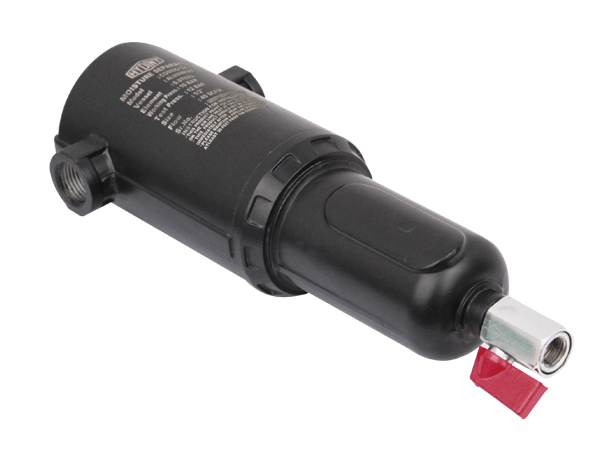
Design Considerations for Optimal Moisture Separation
Moisture separation is a critical process in various industries, ensuring that unwanted water content is efficiently removed from gases or liquids. To achieve optimal moisture separation, careful design considerations are essential. Whether you’re working with industrial machinery, HVAC systems, or any application where moisture separator plays a vital role, keep these factors in mind:
Flow Rate Management:
- Ensure the moisture separator can handle the expected flow rate of the substance.
- Adequate sizing prevents backlogs and maintains efficient moisture removal.
Material Selection:
- Choose materials resistant to corrosion and erosion, especially when dealing with aggressive fluids.
- Materials should be compatible with the substances being processed.
Geometry and Design:
- Optimize the separator’s internal geometry for efficient moisture separation.
- Consider the use of baffles, coalescers, or cyclonic separators depending on the application.
Pressure and Temperature:
- Account for variations in pressure and temperature within the system, as these factors can affect moisture separation efficiency.
Maintenance and Access:
- Design the separator with easy access points for inspection and maintenance, reducing downtime.
Integration:
- Ensure seamless integration of the moisture separator into the overall system to minimize energy consumption and maximize performance.
Monitoring and Control:
- Implement monitoring systems to track moisture levels and control mechanisms to adjust separation efficiency as needed.
Remember, a well-designed moisture separator can significantly enhance the efficiency and longevity of your equipment while maintaining product quality and safety. For top-notch moisture separation performance, consider these design considerations carefully in your system.
Maintenance Essentials: Extending the Life of Moisture Separators
Moisture separators play a critical role in various industrial processes, ensuring that compressed air remains free from damaging moisture. Regular maintenance is essential to maximize their efficiency and lifespan. Here are some crucial maintenance essentials to help you extend the life of your moisture separator:
- Visual Inspection: Start by inspecting the moisture separator for any visible signs of damage or corrosion. Address these issues promptly to prevent further deterioration.
- Cleaning: Regularly clean the separator’s internal components to remove accumulated dirt and contaminants. This ensures optimal performance and prevents clogs.
- Drainage System Check: Check the drainage system to ensure it functions correctly. Efficient drainage is vital for removing captured moisture effectively.
- Replace Filter Elements: Depending on the type of moisture separator, replace filter elements at recommended intervals. This prevents reduced efficiency and potential damage to downstream equipment.
- Pressure and Temperature Monitoring: Regularly monitor pressure and temperature levels to ensure they are within the manufacturer’s specified range. This helps prevent overloading and overheating.
- Documentation: Maintain thorough records of maintenance activities, including dates and replacement parts used. This information aids in tracking the separator’s performance over time.
By following these maintenance essentials, you can ensure that your moisture separator continues to operate efficiently, preventing costly downtime and equipment damage. Keep your moisture separator in peak condition to enjoy long-term benefits and cost savings.
Common Challenges in Steam System Moisture Separation
Moisture separation is a crucial aspect of steam systems, ensuring the quality and efficiency of steam-based processes. However, several common challenges can impede the effective removal of moisture from steam. These challenges include:
- Inadequate Sizing: Undersized moisture separators may not have the capacity to handle the steam flow, leading to poor separation efficiency.
- Contaminants: Contaminants in the steam, such as oils and particulates, can hinder the performance of moisture separators.
- Condensate Backup: Accumulation of condensate can occur if drainage is insufficient, diminishing the separator’s effectiveness.
- Temperature Variations: Fluctuations in steam temperature can affect separation efficiency, as the moisture content changes with temperature.
- Design and Placement: Poorly designed separators or incorrect placement in the system can lead to ineffective moisture removal.
- Maintenance Issues: Neglecting regular maintenance can result in fouling or damage to the separator components, reducing its efficiency.
- High Velocity Flow: Steam flowing at high velocities may carry moisture with it, making separation more challenging.
To address these challenges, proper sizing, regular maintenance, and the use of quality moisture separator equipment are essential. By addressing these issues, steam system operators can ensure efficient moisture separation, optimizing the performance of their systems and equipment.
Monitoring and Testing Moisture Separators for Performance
Moisture separators play a vital role in various industrial processes, ensuring the removal of unwanted moisture from gases and liquids. To maintain optimal performance and prevent operational issues, it’s crucial to regularly monitor and test these separators. Here are some key points to consider:
Visual Inspection:
- Regularly inspect the moisture separator for signs of corrosion, leaks, or physical damage.
- Ensure that all connections are secure and free from potential leaks.
Pressure Differential Checks:
- Monitor the pressure differential across the moisture separator to ensure it falls within the specified range.
- A sudden increase in pressure differential could indicate a blockage or inefficiency.
Drainage System:
- Verify that the drainage system is functioning correctly, preventing the accumulation of moisture.
- Ensure that drains are clear and free of obstructions.
Sampling and Analysis:
- Periodically collect samples of the separated moisture for analysis to determine the efficiency of moisture removal.
- Analyze the collected samples for any contaminants or excessive moisture content.
Regular monitoring and testing of moisture separators are essential to ensure their efficiency, prevent costly downtime, and maintain the overall integrity of industrial processes. By proactively addressing issues, you can optimize your moisture separator’s performance and extend its operational lifespan, ultimately enhancing your system’s productivity and reliability.